For Men · Injection or Cream

Testosterone

Real labs. Back to yourself.

Testosterone replacement therapy for men with clinically low testosterone — diagnosed by symptoms and real bloodwork, prescribed online by a licensed provider, and shipped as an injection or cream.

$597 for 3 months

Requires a lab panel: $129 at Quest, or upload recent labs.

Supply

One payment for a 3-month supply.

Start your online visit →

Private questions, real bloodwork and a live video visit with a licensed provider.

Video Visit Real Bloodwork Licensed Providers Discreet Shipping
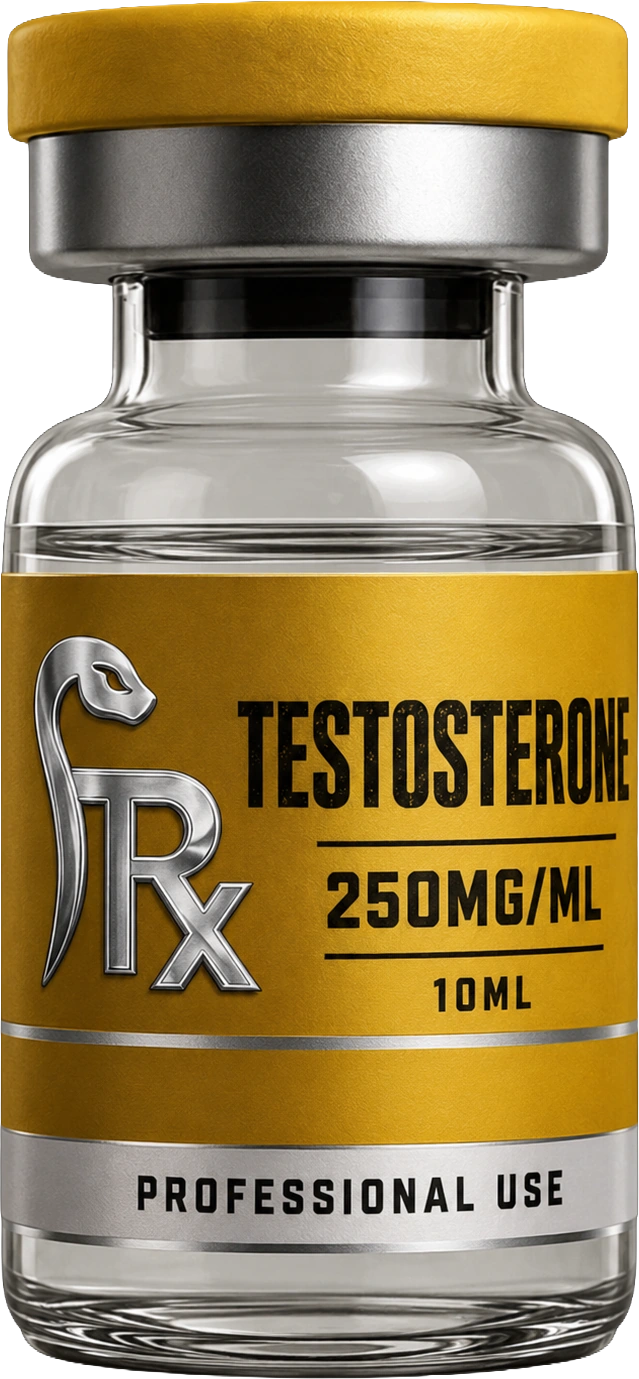
ForbiddenRx Testosterone
At a glance
Form
Injection · cream
Dosing
Set by your provider
Class
Androgen (hormone)
Guided by
Real bloodwork
Helps with
Low testosterone
For
Men
The basics

What is testosterone therapy (TRT)?

The essentials

Testosterone replacement therapy

  • Drug class: Androgen (hormone)
  • Forms: Injection or topical cream
  • Guided by: Real bloodwork, not a questionnaire
  • Dosing set by your provider from your labs
  • Monitored with: Labs over time — hematocrit, estradiol, PSA
  • Provider-reviewed, controlled medication
  • Discreet, unmarked shipping to all 50 states
Start your online visit →

Testosterone replacement therapy (TRT) restores testosterone to a healthy range in men whose levels are clinically low — a diagnosis made from symptoms plus bloodwork, not guesswork. It's a well-established treatment for low testosterone (low T).

TRT is dosed to your own lab results. Your provider sets the dose and schedule from your bloodwork and adjusts them as your follow-up labs come back, keeping you in a healthy range. It's prescribed in the form that best fits your life: an injection (for example, testosterone cypionate) for steady, reliable levels, or a topical cream for men who prefer a needle-free option.

Because testosterone is a controlled medication, your care includes ongoing provider oversight and periodic lab monitoring over time — so treatment stays grounded in your actual numbers rather than guesswork.

Understanding the cause

Why is my testosterone low in the first place?

Testosterone naturally declines with age, but clinically low testosterone (low T) can also stem from problems in the testes themselves or in the pituitary and hypothalamus signaling that tells them to produce it. Symptoms — low energy, reduced libido, low mood, and loss of muscle — are the prompt to look, but the diagnosis is made from bloodwork, not from how you feel alone.

✔It's diagnosed with labs, not a quiz

Low T is confirmed with real lab testing — so treatment is grounded in your actual numbers, not a questionnaire. The labs have to back the symptoms up.

✔It's treatable — and worth treating

When levels are genuinely low and symptomatic, restoring testosterone to a healthy range is a well-established treatment that can bring back energy, drive, and mood.

Know the difference

Prescription TRT vs. OTC "test boosters" — what's the difference?

The short answer: OTC "testosterone boosters" are unregulated supplements that don't diagnose or restore anything, lifestyle changes help at the margins, and prescription TRT is provider-prescribed testosterone dosed to your bloodwork and monitored over time.

 OTC "test booster"Lifestyle onlyPrescription TRT (Rx)
What it isAn unregulated herbal supplementSleep, training, and dietProvider-prescribed testosterone
Diagnoses low TNoNoYes — from real bloodwork
Restores testosteroneNoModest, if anyDirectly, to a healthy range
Provider involvedNoNoYes — reviews labs + symptoms
Monitored with labsNoNoYes — hematocrit, estradiol, PSA
Dose adjusted to youNoNoYes — set from follow-up labs

Many men try boosters and lifestyle changes first and feel little difference because those don't address genuinely low levels. If bloodwork shows clinically low testosterone, TRT is the next step up: real testosterone, a provider in the loop, and a dose built from your own labs.

How it works

How does testosterone therapy actually work?

It restores testosterone to a healthy range in three steps: confirm your levels with bloodwork, build a protocol around your labs, then track your response and fine-tune the dose over time.

I

Test your levels

Start with real bloodwork so a provider can confirm whether your testosterone is clinically low before anything is prescribed.

II

Provider builds your protocol

A licensed provider reviews your symptoms and labs, then prescribes an injection or cream at a dose that fits you.

III

Optimize & monitor

Follow-up labs track your response so your provider can fine-tune the dose and keep you in a healthy range over time.

Who it's for

Who is testosterone therapy for?

It's for men who have symptoms of low testosterone that are confirmed by bloodwork — symptoms alone aren't enough, the labs have to back them up.

✔Symptoms of low testosterone

Low energy, reduced libido, low mood, or loss of muscle that's been dragging on you day to day.

✔Bloodwork confirms low levels

Real lab testing shows your testosterone is clinically low — the diagnosis is grounded in your actual numbers.

✔You want steady, monitored care

A provider sets your dose from bloodwork and adjusts it as follow-up labs come back, keeping you in a healthy range.

✔You prefer injection or cream

An injection for steady levels, or a needle-free topical cream, whichever fits your routine.

✕When it's not the right fit

TRT isn't recommended for men trying to conceive without additional support, because testosterone can suppress sperm production. If fertility matters to you now or later, tell your provider up front — Enclomiphene stimulates your own testosterone production and is often a fertility-friendly alternative. Undiagnosed symptoms should be evaluated before starting any therapy.

How to get it

How do I get testosterone therapy online?

You complete a private online intake and real bloodwork, then a live video visit with a licensed provider who reviews your labs and symptoms. If appropriate, your prescription ships to your door. No insurance required, and no in-person appointment: the visit is by video.

Online visit & bloodwork

Answer a few private questions and get your testosterone and related markers tested, on your own time.

Live video visit

You meet a provider licensed in your state on a short video visit, scheduled from your order page. They review your symptoms and labs and, if appropriate, build your TRT protocol.

Discreet delivery

If prescribed, your injection or cream ships in plain, unmarked packaging to all 50 states, with refills to keep you on schedule.

The price above includes your provider visit and medication. This treatment also requires a lab panel ($129 at Quest, chosen at checkout) or recent labs you upload. No insurance needed.

Using it & safety

How is it taken, and is it safe?

TRT is compounded as an injection or a topical cream by a licensed 503A pharmacy. Compounded drugs are not FDA-approved, and the FDA has not reviewed them for safety, effectiveness or quality. The amount and the schedule are set by the provider who reviews your visit and your bloodwork. We deliberately do not publish a dosing regimen here, because that is a clinical decision about you, not a product specification. Your provider monitors you with regular labs.

Forms & how it's taken

Injection
Intramuscular or subcutaneous testosterone (for example, cypionate), for steady, reliable levels.
Cream / gel
A topical testosterone for the skin, a needle-free option for men who prefer it.
Dose & schedule
Set and adjusted by your provider based on your bloodwork. Follow the directions on your label.
Fertility
If you may want children, ask your provider about adding HCG or gonadorelin before you start.
InjectionCream / gelLab-guidedProvider-set

Safety & side effects

⚠ Secondary exposure to testosterone cream

Testosterone applied to the skin can pass to others through skin contact. Children and women exposed to it have developed signs of virilization (such as body hair growth, enlarged genitals in children, or a deeper voice). Wash your hands after applying, cover the application site with clothing once it is dry, and wash the site before any skin-to-skin contact. Women who are or may become pregnant should avoid contact with the application site.

⚠ Blood pressure & red blood cell count

Some testosterone products can raise blood pressure, which can increase the risk of heart attack and stroke; your blood pressure should be checked during treatment. Testosterone can also raise your red blood cell count (hematocrit), which can increase the risk of blood clots, so your hematocrit is checked with labs and your dose may be lowered or paused.

⚠ TRT can reduce fertility

Testosterone can suppress sperm production. If fertility matters to you now or later, ask your provider about adding HCG or gonadorelin before you start. Testosterone is a controlled medication and requires ongoing provider oversight.

Your provider monitors you with regular labs and adjusts your dose accordingly. Possible side effects include:

  • Acne or oily skin
  • Water retention or swelling
  • A rise in red blood cell count (hematocrit)
  • Higher blood pressure
  • Suppressed sperm production
  • Worsening urinary symptoms of an enlarged prostate
  • New or worsening sleep apnea
  • Changes in estradiol

Monitoring typically includes hematocrit, estradiol, PSA and blood pressure. Tell your provider about all conditions and medications before starting, and seek care for chest pain, shortness of breath, or leg swelling.

Compare your options

Which hormone option fits you?

A side-by-side look at the men's hormone-health options available through ForbiddenRx. Your provider helps you choose what's right for your labs and goals.

TreatmentWhat it isFocusFormForRx required
Testosterone (TRT)Testosterone replacement therapyRestore testosterone to rangeInjection or creamMenYes
EnclomipheneStimulates your own testosterone productionPreserve fertilityOral tabletMenYes
HCGAdd-on that acts on the testes to keep them active on TRTFertility supportInjectionMenYes
GonadorelinAdd-on that prompts the pituitary to signal the testes on TRTFertility supportInjectionMenYes
AnastrozoleAn aromatase inhibitor that manages estradiolEstrogen controlOral tabletMenYes
Questions, answered

Testosterone / TRT FAQ

What is TRT and am I a candidate?

Testosterone replacement therapy (TRT) restores testosterone to a healthy range in men with clinically low levels. You may be a candidate if you have symptoms of low T — low energy, low libido, low mood, or muscle loss — that are confirmed by bloodwork. A licensed provider reviews your symptoms and labs to decide whether TRT is appropriate for you.

Do I need bloodwork first?

Yes. Low testosterone is diagnosed with real lab testing, not a questionnaire. Bloodwork confirms whether your levels are clinically low, gives your provider a baseline, and guides your dose. Follow-up labs then track how you respond over time.

Injection vs. cream — which is better?

Neither is universally "better" — it depends on your preferences and your labs. Injections tend to give steady, reliable levels, while a topical cream or gel is a needle-free option some men prefer. Your provider will recommend the form that fits your routine and helps keep you in a healthy range.

Will TRT affect my fertility?

It can. Testosterone can suppress sperm production, which is why TRT isn't recommended for men trying to conceive without additional support. If fertility matters to you now or later, tell your provider — options such as HCG or gonadorelin, or alternatives like enclomiphene, can help preserve it.

What are the side effects and how is it monitored?

Possible side effects include acne, water retention, a rise in red blood cell count (hematocrit), and suppressed fertility. Because of this, your provider monitors you with regular labs — including hematocrit, estradiol, and PSA — and adjusts your dose accordingly. Testosterone is a controlled medication that requires ongoing provider oversight.

Is there a video visit?

Yes. Because testosterone is a controlled medication, TRT includes a short live video visit with a licensed provider, which you schedule from your order page after checkout. There is no in-person appointment.

How is it prescribed and shipped?

After your online intake, bloodwork and video visit, a licensed provider reviews your information. If TRT is appropriate, your prescription — an injection or a cream — ships discreetly to your door in unmarked packaging, with refills to keep you on schedule. Prescription approval is not guaranteed and is subject to provider review.

Credibility you can verify

Care held to a higher standard

Licensed Providers

Licensed in your state

503A Pharmacies

Licensed compounding

All 50 States

Confirmed at intake

Explore more

Also in hormone health

Feel like yourself again

Low testosterone is common, treatable, and worth doing right. Complete a quick online intake, real bloodwork and a short video visit, and a licensed provider takes it from there.

Start your online visit →

  • Discreet, unmarked packaging
  • Refills so you never miss a dose
  • Labs guiding every adjustment
  • Licensed providers in all 50 states
Sources

Sources & references

Written by ForbiddenRx and checked against FDA prescribing information and published sources · Updated October 2026. It is general information, not a review of your own health; your provider decides what is right for you. It is provided for general educational purposes and is not a substitute for professional medical advice, diagnosis, or treatment. Always talk with a licensed provider about your individual health.

  1. U.S. Food & Drug Administration. Testosterone prescribing information (Drugs@FDA).
  2. MedlinePlus. Testosterone (drug information).
  3. Endocrine Society. Testosterone Therapy in Men With Hypogonadism — Clinical Practice Guideline.
  4. American Urological Association (AUA). Evaluation and Management of Testosterone Deficiency.
For further reading

Clinical references

This page is educational and is not medical advice.