Testosterone replacement therapy for men with clinically low testosterone — diagnosed by symptoms and real bloodwork, prescribed online by a licensed provider, and shipped as an injection or cream.
$235/mo Every dose. No price increases.
A few private questions and real bloodwork, then a licensed provider reviews your labs.

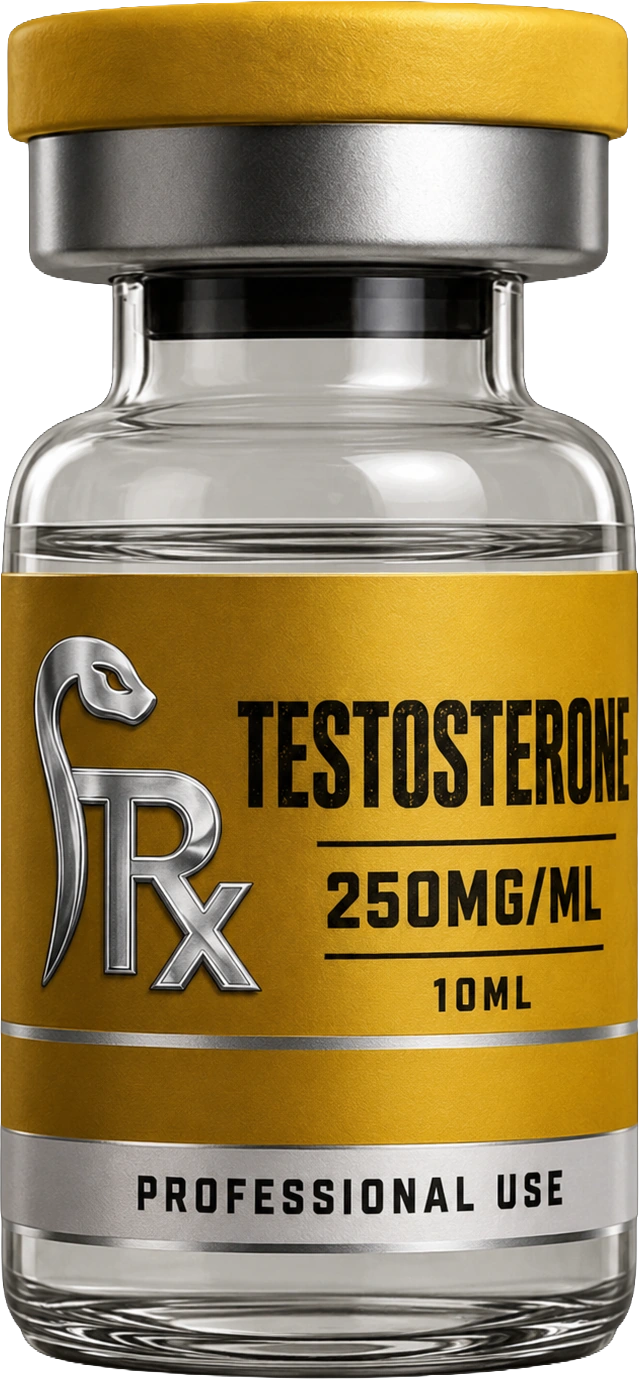
Testosterone replacement therapy (TRT) restores testosterone to a healthy range in men whose levels are clinically low — a diagnosis made from symptoms plus bloodwork, not guesswork. It's a well-established treatment for low testosterone (low T).
TRT is dosed to your own lab results. Your provider sets a starting dose based on your bloodwork and adjusts it as your follow-up labs come back, keeping you in a healthy range. It's prescribed in the form that best fits your life — a weekly injection (for example, testosterone cypionate) for steady, reliable levels, or a daily topical cream for men who prefer a needle-free routine.
Because testosterone is a controlled medication, your care includes ongoing provider oversight and periodic lab monitoring over time — so treatment stays grounded in your actual numbers rather than guesswork.
Testosterone naturally declines with age, but clinically low testosterone (low T) can also stem from problems in the testes themselves or in the pituitary and hypothalamus signaling that tells them to produce it. Symptoms — low energy, reduced libido, low mood, and loss of muscle — are the prompt to look, but the diagnosis is made from bloodwork, not from how you feel alone.
Low T is confirmed with real lab testing — so treatment is grounded in your actual numbers, not a questionnaire. The labs have to back the symptoms up.
When levels are genuinely low and symptomatic, restoring testosterone to a healthy range is a well-established treatment that can bring back energy, drive, and mood.
The short answer: OTC "testosterone boosters" are unregulated supplements that don't diagnose or restore anything, lifestyle changes help at the margins, and prescription TRT is provider-prescribed testosterone dosed to your bloodwork and monitored over time.
| OTC "test booster" | Lifestyle only | Prescription TRT (Rx) | |
|---|---|---|---|
| What it is | An unregulated herbal supplement | Sleep, training, and diet | Provider-prescribed testosterone |
| Diagnoses low T | No | No | Yes — from real bloodwork |
| Restores testosterone | No | Modest, if any | Directly, to a healthy range |
| Provider involved | No | No | Yes — reviews labs + symptoms |
| Monitored with labs | No | No | Yes — hematocrit, estradiol, PSA |
| Dose adjusted to you | No | No | Yes — set from follow-up labs |
Many men try boosters and lifestyle changes first and feel little difference because those don't address genuinely low levels. If bloodwork shows clinically low testosterone, TRT is the next step up: real testosterone, a provider in the loop, and a dose built from your own labs.
It restores testosterone to a healthy range in three steps: confirm your levels with bloodwork, build a protocol around your labs, then track your response and fine-tune the dose over time.
Start with real bloodwork so a provider can confirm whether your testosterone is clinically low before anything is prescribed.
A licensed provider reviews your symptoms and labs, then prescribes an injection or cream at a starting dose that fits you.
Follow-up labs track your response so your provider can fine-tune the dose and keep you in a healthy range over time.
It's for men who have symptoms of low testosterone that are confirmed by bloodwork — symptoms alone aren't enough, the labs have to back them up.
Low energy, reduced libido, low mood, or loss of muscle that's been dragging on you day to day.
Real lab testing shows your testosterone is clinically low — the diagnosis is grounded in your actual numbers.
A provider sets your dose from bloodwork and adjusts it as follow-up labs come back, keeping you in a healthy range.
A weekly injection for steady levels, or a daily needle-free topical cream — whichever fits your routine.
TRT isn't recommended for men trying to conceive without additional support, because testosterone can suppress sperm production. If fertility matters to you now or later, tell your provider up front — Enclomiphene stimulates your own testosterone production and is often a fertility-friendly alternative. Undiagnosed symptoms should be evaluated before starting any therapy.
You complete a private online visit and real bloodwork, a licensed provider reviews your labs and symptoms, and — if appropriate — your prescription ships to your door. No insurance required, no in-person appointment, no waiting room.
Answer a few private questions and get your testosterone and related markers tested, on your own time.
A provider licensed in your state reviews your symptoms and labs and, if appropriate, builds your TRT protocol at a starting dose.
If prescribed, your injection or cream ships in plain, unmarked packaging to all 50 states, with refills to keep you on schedule.
Pricing is shown at checkout — no insurance needed, no hidden fees.
TRT is taken on a schedule — a weekly injection or a daily topical cream, not as needed — and your provider sets the exact dose from your bloodwork and monitors you with regular labs.
Testosterone can suppress sperm production. If fertility matters to you now or later, ask your provider about adding HCG or gonadorelin before you start. Testosterone is a controlled medication and requires ongoing provider oversight.
Your provider monitors you with regular labs and adjusts your dose accordingly. Possible side effects include:
Monitoring typically includes hematocrit, estradiol, and PSA. Tell your provider about all conditions and medications before starting, and seek care for chest pain, shortness of breath, or leg swelling.
A side-by-side look at the men's hormone-health options available through ForbiddenRx. Your provider helps you choose what's right for your labs and goals.
| Treatment | What it is | Focus | Form | For | Rx required |
|---|---|---|---|---|---|
| Testosterone (TRT) Popular | Testosterone replacement therapy | Restore testosterone to range | Injection or cream | Men | Yes |
| Enclomiphene | Stimulates your own testosterone production | Preserve fertility | Oral tablet | Men | Yes |
| HCG / Gonadorelin | Add-on that maintains testicular function on TRT | Fertility support | Injection | Men | Yes |
| Anastrozole | An aromatase inhibitor that manages estradiol | Estrogen control | Oral tablet | Men | Yes |
Testosterone replacement therapy (TRT) restores testosterone to a healthy range in men with clinically low levels. You may be a candidate if you have symptoms of low T — low energy, low libido, low mood, or muscle loss — that are confirmed by bloodwork. A licensed provider reviews your symptoms and labs to decide whether TRT is appropriate for you.
Yes. Low testosterone is diagnosed with real lab testing, not a questionnaire. Bloodwork confirms whether your levels are clinically low, gives your provider a baseline, and guides your starting dose. Follow-up labs then track how you respond over time.
Neither is universally "better" — it depends on your preferences and your labs. Injections (often weekly) tend to give steady, reliable levels, while a daily topical cream or gel is a needle-free option some men prefer. Your provider will recommend the form that fits your routine and helps keep you in a healthy range.
It can. Testosterone can suppress sperm production, which is why TRT isn't recommended for men trying to conceive without additional support. If fertility matters to you now or later, tell your provider — options such as HCG or gonadorelin, or alternatives like enclomiphene, can help preserve it.
Possible side effects include acne, water retention, a rise in red blood cell count (hematocrit), and suppressed fertility. Because of this, your provider monitors you with regular labs — including hematocrit, estradiol, and PSA — and adjusts your dose accordingly. Testosterone is a controlled medication that requires ongoing provider oversight.
After your online visit and bloodwork, a licensed provider reviews your information. If TRT is appropriate, your prescription — an injection or a cream — ships discreetly to your door in unmarked packaging, with refills to keep you on schedule. Prescription approval is not guaranteed and is subject to provider review.
U.S. board-certified clinicians
U.S.-based compounding partners
Nationwide telehealth coverage
Low testosterone is common, treatable, and worth doing right. Complete a quick online visit and real bloodwork, and a licensed provider takes it from there.
Medically reviewed by ForbiddenRx Medical Affairs — Independent, licensed medical providers · Last reviewed July 2026. This page was written and is periodically reviewed for medical accuracy in line with clinical guidance followed by the independent, licensed medical providers in the ForbiddenRx network. It is provided for general educational purposes and is not a substitute for professional medical advice, diagnosis, or treatment. Always talk with a licensed provider about your individual health.
This page is educational and is not medical advice.